









.png "Commercial kitchen flooring, logan, and garage flooring, layton, for durable surfaces")



.png "Own the Spotlight at Every Ceremony")











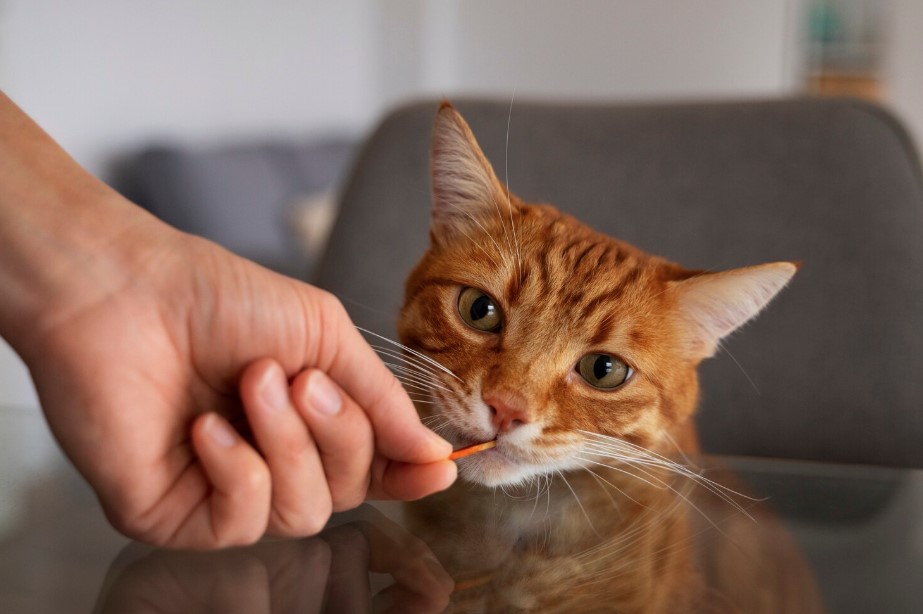
Maintaining your cat’s oral health is just as important as feeding them a balanced diet or ensuring regular vet visits. Yet, dental hygiene is often overlooked by pet parents. Over time, neglecting oral care can lead to tartar buildup, bad breath, gum disease, and even serious health complications affecting the heart and kidneys.
In this guide, we’ll explore the best cat dental care products that help prevent tartar and gum disease, along with expert-backed tips to keep your feline’s teeth clean and healthy for years to come.
Why Dental Health Matters for Cats
Cats are masters at hiding discomfort, which means dental issues can go unnoticed until they become severe. Plaque starts forming on your cat’s teeth within hours after eating. If not removed, it hardens into tartar, which can irritate the gums and lead to gingivitis or periodontal disease.
Common signs of dental issues include:
- Bad breath (halitosis)
- Red or swollen gums
- Difficulty eating or chewing
- Drooling or pawing at the mouth
- Yellow or brown tartar buildup
Preventive care using the right products can significantly reduce these risks and improve your cat’s overall well-being.
Types of Cat Dental Care Products to Consider
There are various options available, each designed to target specific dental issues. Let’s break them down:
1. Cat Toothbrushes & Toothpaste
Brushing your cat’s teeth is the gold standard of oral hygiene.
Why it works:
- Removes plaque before it turns into tartar
- Keeps gums healthy
- Freshens breath
What to look for:
- Soft-bristled toothbrush or finger brush
- Enzymatic toothpaste (never use human toothpaste)
- Flavors like chicken or fish to make brushing easier
Pro Tip: Start slowly by letting your cat taste the toothpaste before introducing brushing.
2. Dental Treats
Dental treats are a convenient and effective way to maintain oral hygiene, especially for cats that resist brushing.
Benefits:
- Reduce plaque and tartar buildup
- Promote chewing, which naturally cleans teeth
- Often enriched with vitamins and minerals
Look for treats approved by veterinary dental organizations and avoid those high in fillers or artificial additives.
3. Water Additives
Water additives are one of the easiest ways to support your cat’s dental routine.
How they help:
- Fight bacteria in the mouth
- Reduce plaque formation
- Freshen breath without brushing
Simply add the recommended amount to your cat’s drinking water daily.
4. Dental Gels & Sprays
These products are ideal for cats that won’t tolerate brushing.
Advantages:
- Easy to apply
- Break down plaque and tartar
- Soothe irritated gums
Many gels are formulated with enzymes that work even without brushing, making them a stress-free option.
5. Dental Chew Toys
Chew toys aren’t just for play; they can also support oral hygiene.
Benefits:
- Scrape off plaque during chewing
- Stimulate gums
- Provide mental stimulation
Choose toys made from safe, non-toxic materials designed specifically for cats.
Top Features to Look for in Dental Products
When choosing dental solutions for your cat, keep these factors in mind:
- Safety: Always select products specifically made for cats
- Veterinary Approval: Look for vet-recommended or VOHC-approved products
- Ease of Use: Choose products that fit your cat’s temperament
- Ingredients: Avoid harmful chemicals, artificial preservatives, or sugars
The right combination of these factors ensures effective and safe oral care.
Creating a Complete Dental Routine
Using a single product may not be enough. A combination approach works best.
Weekly Routine Example:
- Daily: Water additive + dental treats
- 2–3 times/week: Tooth brushing or dental gel
- Weekly: Check teeth and gums for signs of issues
Consistency is key. Even small efforts can make a big difference over time.
Natural Ways to Support Oral Health
In addition to products, certain habits can improve your cat’s dental condition:
- Feed a balanced diet (dry kibble can help reduce plaque)
- Provide safe chewing options
- Schedule regular veterinary dental checkups
- Monitor eating behavior and oral health signs
These natural steps complement your use of cat dental care products and enhance overall results.
Common Mistakes to Avoid
Many pet parents unknowingly make errors that can worsen dental health:
- Using human toothpaste (toxic for cats)
- Ignoring early signs of gum disease
- Relying only on treats without proper cleaning
- Skipping regular vet checkups
Avoiding these mistakes ensures your efforts are effective and safe.
When to Visit a Veterinarian
Even with the best routine, professional care is sometimes necessary.
Seek veterinary help if you notice:
- Severe bad breath
- Bleeding gums
- Loose or missing teeth
- Refusal to eat
Professional cleaning may be required to remove hardened tartar and treat underlying issues.
How Dental Health Impacts Overall Well-Being
Poor oral hygiene doesn’t just affect the mouth. Bacteria from dental infections can enter the bloodstream and impact vital organs.
Healthy teeth contribute to:
- Better digestion
- Improved appetite
- Higher energy levels
- Longer lifespan
Investing in proper cat dental care is ultimately an investment in your cat’s overall health.
Choosing the Right Products for Your Cat’s Personality
Every cat is different, so selecting the right product depends on their behavior:
- For aggressive or resistant cats: Water additives or sprays
- For playful cats: Dental chew toys
- For cooperative cats: Toothbrush and toothpaste
- For picky eaters: Flavored dental treats
Adapting your approach increases success and reduces stress for both you and your pet.
Long-Term Benefits of Preventive Dental Care
Sticking to a consistent routine offers several advantages:
- Prevents costly dental procedures
- Reduces risk of serious diseases
- Keeps breath fresh
- Enhances quality of life
Over time, preventive care is far more effective and affordable than treating advanced dental issues.
Final Thoughts
Taking care of your cat’s teeth doesn’t have to be complicated. With the right combination of tools, consistency, and awareness, you can prevent tartar buildup and gum disease effectively. Whether it’s brushing, treats, or water additives, each step plays a role in maintaining oral hygiene.
By incorporating high-quality cat dental care products into your routine and paying attention to early signs of dental issues, you can ensure your feline companion stays happy, healthy, and pain-free for years to come.
FAQs
1. How often should I brush my cat’s teeth?
Ideally, you should brush your cat’s teeth 2–3 times a week. Daily brushing is even better if your cat tolerates it.
2. Are dental treats enough to maintain oral health?
Dental treats help reduce plaque, but they should be used alongside other methods, such as brushing or gels, for best results.
3. Can I use human toothpaste for my cat?
No, human toothpaste contains ingredients that are toxic to cats. Always use toothpaste specifically formulated for pets.
4. What are the early signs of gum disease in cats?
Red or swollen gums, bad breath, and difficulty eating are common early indicators of gum disease.
5. Do indoor cats need dental care products too?
Yes, all cats, indoor or outdoor, are prone to dental issues and require proper oral hygiene.


