



.png "Commercial kitchen flooring, logan, and garage flooring, layton, for durable surfaces")


.png "Own the Spotlight at Every Ceremony")









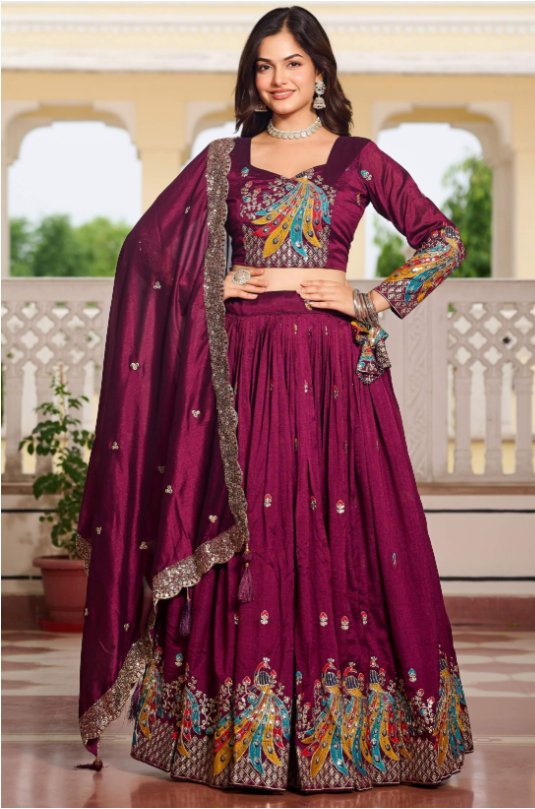
Choosing festive wear is exciting, but it can also become confusing when too many options start looking equally appealing. Weddings, engagement functions, receptions, and festive celebrations often call for statement outfits, and for many women, lehengas remain the first choice. However, one common question often comes up while shopping—is it better to invest in a Designer Lehenga Choli or choose a heavily detailed embroidered style?
The answer is not always straightforward. Some women prefer premium designs that feel exclusive and fashion-forward, while others prioritise traditional craftsmanship and detailed embellishments. Since lehengas are often purchased for memorable occasions, understanding what truly offers better value can make shopping decisions much easier.
Rather than following trends unquestioningly, it helps to understand how both styles differ and which one aligns better with personal fashion preferences.
What Makes Designer Lehengas Different?
Designer lehengas are often associated with exclusivity, premium fabrics, and carefully curated detailing. Unlike mass-produced festive wear, designer pieces usually focus on silhouette, finishing, and overall styling rather than only heavy embellishment.
Many women prefer designer outfits because they often feel more refined and balanced. Instead of excessive detailing, the emphasis usually lies in fabric quality, colour coordination, structure, and modern cuts.
Designer lehengas are often known for:
- Contemporary silhouettes
- Premium finishing
- Unique blouse patterns
- Fashion-forward styling
- Sophisticated colour combinations
For women who prefer polished and trend-conscious fashion, designer lehengas often feel like long-term wardrobe investments.
Why Embroidery Continues to Dominate Ethnic Fashion
Traditional craftsmanship still plays an important role in ethnic wear, which explains why the embroidered lehenga remains a favourite for festive occasions and weddings.
Embroidery naturally adds richness to an outfit. Whether through zari work, sequins, mirror detailing, threadwork, or handcrafted motifs, embroidery creates festive appeal without requiring complicated styling. For grand occasions, heavily embroidered outfits often feel more celebration-ready because they naturally create statement looks.
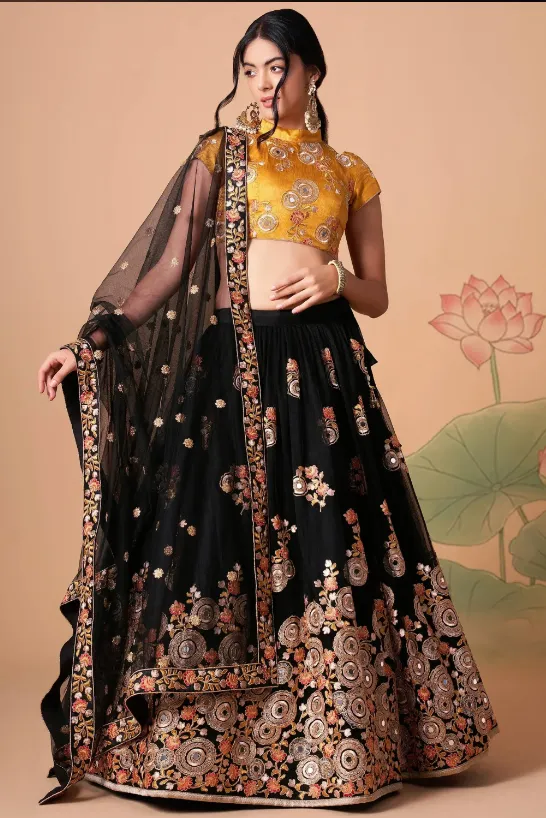
Many women especially prefer embroidered lehengas for:
- Wedding functions
- Reception parties
- Sangeet ceremonies
- Traditional celebrations
Detailed craftsmanship often creates an instantly festive appearance, even with minimal accessories.
Which Option Offers Better Long-Term Value?
The answer often depends on how frequently the outfit will be worn. A designer lehenga may feel more versatile because cleaner silhouettes and balanced styling often remain fashionable for years. They can sometimes be repeated by changing accessories, blouse styling, or dupatta draping. Embroidered lehengas, meanwhile, often feel more occasion-specific. While they look stunning for weddings or major celebrations, heavier embroidery can sometimes feel too festive for smaller gatherings.
Women who attend weddings frequently may find designer styles more reusable, while those shopping for one grand celebration may prefer embroidered looks. Fashion practicality often matters just as much as appearance.
Comfort Matters More Than Many Shoppers Realise
Festive shopping often focuses heavily on appearance, but comfort deserves equal attention. Wedding events typically involve long hours of movement, photographs, socialising, and dancing. A heavily embellished outfit may look beautiful initially, but feel difficult to manage after several hours.
Designer lehengas often prioritise lighter construction and better wearability. Embroidered styles, depending on fabric and detailing, can sometimes feel heavier.
Before making a final purchase, it helps to consider:
- Outfit weight
- Ease of movement
- Weather suitability
- Fabric breathability
- Event duration
Comfort often affects confidence more than expected.
Which Style Works Better for Different Occasions?
Different celebrations naturally call for different styling moods. Designer lehengas often work beautifully for engagement parties, cocktail events, destination weddings, and receptions where elegance feels more important than dramatic embellishment.
Embroidered lehengas usually suit traditional ceremonies and grand wedding celebrations where festive richness matters more. Many women today actually prefer balancing both styles in their wardrobe rather than choosing one exclusively. This creates greater styling flexibility.
Is It Possible to Combine Both?
Modern ethnic fashion increasingly blends both worlds. Many lehengas now feature structured designer silhouettes combined with elegant embroidery. This balance allows women to enjoy detailed craftsmanship without overwhelming heaviness.
A thoughtfully chosen outfit often combines modern elegance with festive richness naturally. Instead of choosing between fashion and tradition, shoppers increasingly prefer outfits that offer both.
Conclusion
Choosing between a designer lehenga and an embroidered lehenga ultimately depends on personal style, occasion, and comfort preferences. Designer outfits often feel refined, versatile and trend-conscious, while embroidered styles naturally bring festive richness and traditional beauty.
Rather than focusing only on trends, it helps to think about how often the outfit will be worn and what feels most comfortable. After all, the best festive outfit is not simply the most expensive or heavily detailed one; it is the one that makes you feel confident throughout the celebration.